
Alcohol consumption and hangover patterns among migraine sufferers


Drinking water alongside alcohol can help mitigate the dehydration effect and might reduce the likelihood of a migraine attack. Lower alcohol content might reduce the risk, but individual sensitivities to specific compounds in the beverage still play a significant role. Over-the-counter pain relievers such as ibuprofen or acetaminophen may help ease migraine symptoms.
- If you’re a chronic migraineur who has decided to have a drink or two, a safe bet is leaving it at that.
- Only few studies 46, 48–50, 52 provided the data about the period in which alcohol drinking was considered and measured.
- That being said, if we drink, it’s best to wait an hour for each standard drink we consume.
- However, if beer and alcohol often trigger migraine attacks for you, the cons may outweigh the pros.
- However, it’s important to understand that hangover headaches are not the same as alcohol-triggered migraine attacks.
Consulting Healthcare Professionals
- The majority were female (419/487, 86.0%), actively working (293/378, 77.5%).
- These headaches cause very intense pain that often primarily affects the area behind one eye.
- It’s tough to know when you might have a migraine hangover, but most people have one at some point if they regularly have migraines.
Trying to avoid migraine triggers is one of the only surefire ways to avoid migraine symptoms. If you’ve identified alcohol as a trigger for your migraine headaches, avoiding it altogether is probably best. The same is true if you find that some types of alcohol trigger migraine after drinking alcohol your migraine headaches more than others. Nausea and/or vomiting is just one of many symptoms a person living with migraine might experience.
Is Alcohol Consumption a Trigger for Migraine?
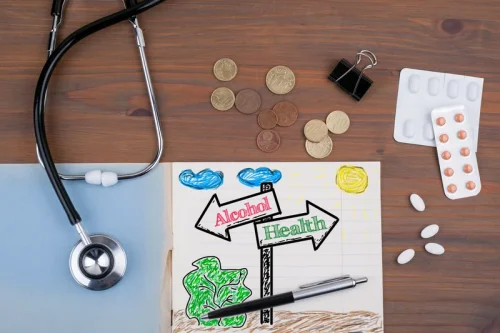
Until you minimize the risk of your other migraine triggers, it can be hard to narrow down a single cause of a headache after drinking. Dehydration often accompanies alcohol consumption and may worsen migraine symptoms. Drink plenty of water to rehydrate your body and help ease migraine pain. Electrolyte-rich beverages or sports drinks can replenish lost minerals.
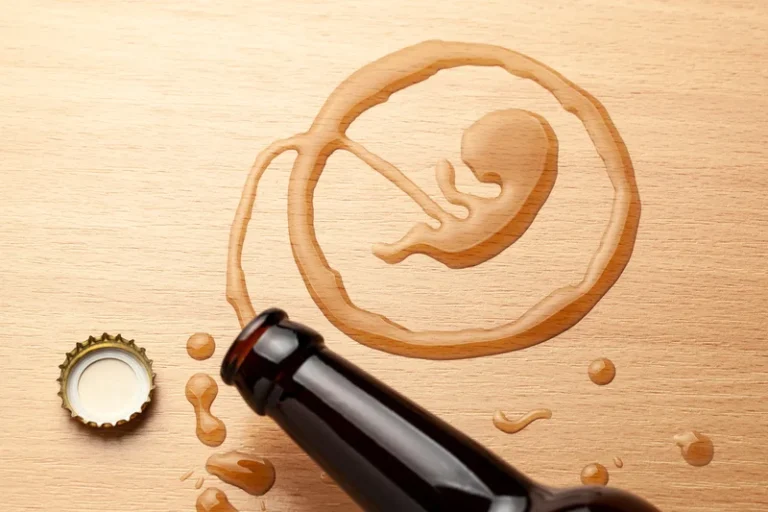
Types of Alcohol-Related Headaches
A 2018 study of almost 2,200 migraine patients found that more than a third of them — 35.6% — reported that alcohol was a migraine trigger. Only few studies 46, 48–50, 52 provided the data about the period in which alcohol drinking was considered and measured. Nineteen studies used questionnaire methods to assess drinking 36, 44–59, 61, 62. If you love drinking beer, but regular migraine attacks or headaches are a fact of your life, it’s worth weighing the pros and cons. Analyze your personal risk carefully, remembering that triggers are often additive.

It may help to keep a migraine journal or diary so you can find patterns or triggers that bring on migraines, how you felt and what you did to ease your symptoms. The solutions that might work to reduce your symptoms can vary from others who experience migraines. You might find comfort in using a heating pad or an ice pack or meditating during this phase.
It is best to remember to be easy on yourself and to focus on reaching your goal of achieving a sober lifestyle. When someone has been drinking regularly and chooses to quit, alcohol withdrawal can result in a series of uncomfortable symptoms, and some of them can put a person’s health at risk. Experts suggest you should seek the help of a doctor or treatment center to detox safely. If beer is a trigger for your migraines, the best solution is to avoid it altogether. However, if you still want to consume beer, try drinking in moderation, staying hydrated by drinking water, and choosing lighter beers with low hops content. Additionally, avoid drinking heroin addiction on an empty stomach, and control other triggers such as stress and lack of sleep.
- Your migraine attack might have been triggered by something specific, or a combination of factors, such as lack of sleep, skipping a meal, dehydration or stress.
- To define this important issue, we have reviewed alcohol as a trigger of primary headaches and discussed the possible correlation of the results with the principal pathogenetic theories of the primary headaches.
- There are many different resources available to support you when you decide to quit drinking and embrace a sober lifestyle.
The Essential Guide To Medical Devices For Migraine
You might not want to participate in routine activities or feel well enough to get out of bed until your symptoms go away. The Reframe app equips you with the knowledge and skills you need to not only survive drinking less, but to thrive while you navigate the journey. Our daily research-backed readings teach you the neuroscience of alcohol, and our in-app Toolkit provides the resources and activities you need to navigate each challenge. Our migraine may be going away after taking Excedrin, so we may be wondering when it’s okay to drink. As with alcohol, the medication takes time to be metabolized and eliminated from our system. Find out why, and what you can do to avoid alcohol-related migraines.
Pos Terkait